
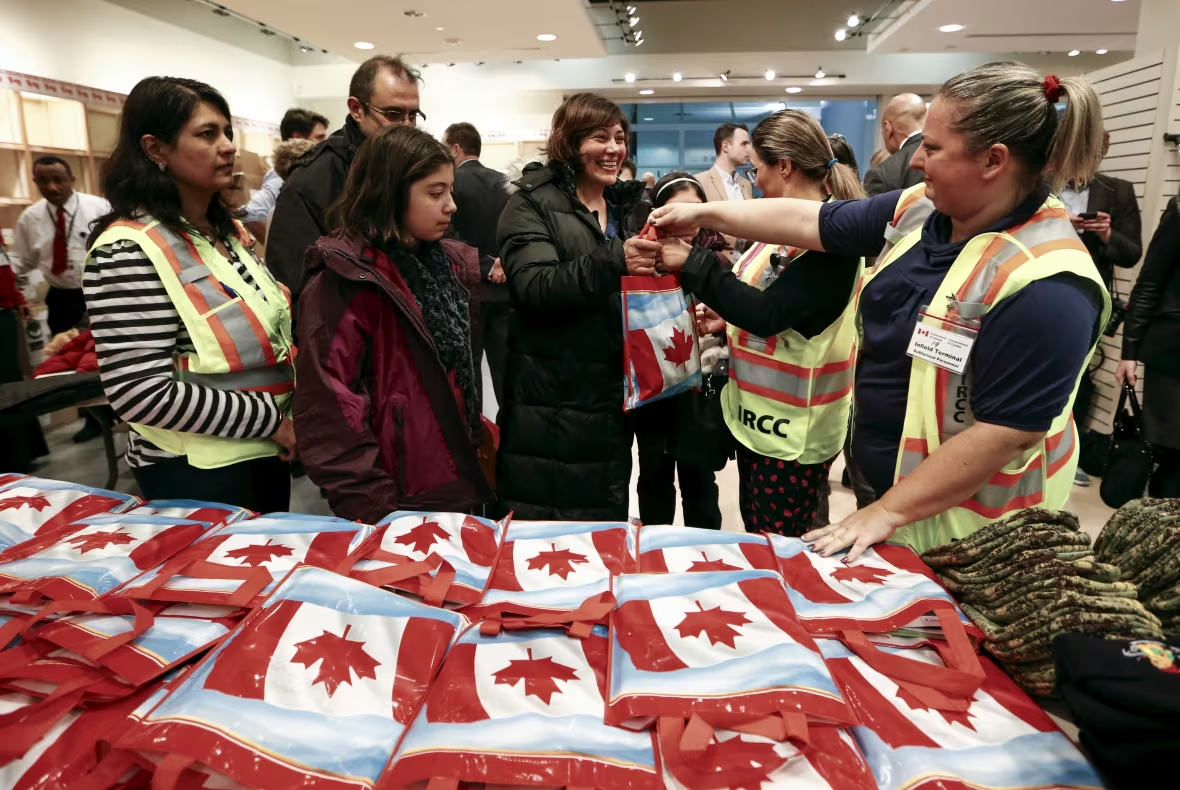
Canada is known for its strong commitment to human rights, offering protection to individuals fleeing persecution, violence, and war. Seeking asylum in Canada is a legal process that requires applicants to meet specific criteria and follow certain procedures. If you or someone you know is considering seeking refugee asylum in Canada, this guide will provide essential information on the process, eligibility, and important considerations.
Who Can Apply for Asylum in Canada?
Refugee protection in Canada is available to individuals who fear persecution or risk to their life due to:
- Race
- Religion
- Nationality
- Political opinion
- Membership in a particular social group (e.g., LGBTQ+ individuals, victims of gender-based violence)
Applicants can seek asylum either at a Canadian border, airport, or inland by submitting a claim to the Immigration and Refugee Board of Canada (IRB).
The Asylum Application Process
Step 1: Making an Asylum Claim
You can apply for asylum in Canada through the following ways:
- At a Port of Entry: Upon arrival at a Canadian airport, seaport, or land border crossing, you can inform a Canada Border Services Agency (CBSA) officer that you wish to seek asylum.
- Inside Canada: If you are already in Canada, you can submit your claim online through Immigration, Refugees, and Citizenship Canada (IRCC).
Step 2: Determining Eligibility
After submitting your claim, Canadian authorities will assess your eligibility based on:
- Whether you have previously made an asylum claim in Canada
- Whether you have a pending or rejected claim in another country
- If you have been convicted of serious crimes
Under the Safe Third Country Agreement (STCA) with the United States, asylum seekers arriving at official border crossings from the U.S. are usually ineligible unless they qualify under specific exemptions (e.g., family ties in Canada).
Step 3: Refugee Hearing
Eligible claimants will be scheduled for a hearing with the Refugee Protection Division (RPD) of the IRB. During the hearing:
- You must provide evidence supporting your claim (documents, witness statements, news reports, etc.).
- You will be asked about the risks you face if returned to your home country.
- A decision will be made on whether you qualify for refugee protection in Canada.
What Happens if Your Claim is Approved?
If the IRB grants refugee protection, you will:
- Be allowed to stay in Canada
- Apply for permanent residency
- Access healthcare and other social services
- Be eligible to apply for Canadian citizenship after meeting residency requirements
What Happens if Your Claim is Denied?
If your claim is rejected, you may:
- Appeal the decision to the Refugee Appeal Division (RAD), if eligible
- Request a judicial review in Federal Court
- Apply for a Pre-Removal Risk Assessment (PRRA) if facing deportation
Important Considerations for Asylum Seekers
- Legal Representation: Hiring an immigration lawyer or consulting legal aid services can improve your chances of a successful claim.
- Work and Study: You can apply for a work or study permit while waiting for your claim decision.
- Settlement Services: Canada provides support through refugee settlement programs, including housing, language training, and employment assistance.
Final Thoughts
Seeking asylum in Canada is a complex process, but for those facing persecution and danger, it can be a path to safety and stability. Understanding your rights, preparing a strong case, and seeking legal assistance can increase the likelihood of a successful claim. If you need help, consider reaching out to legal experts and refugee support organizations for guidance.